

Case Studies
-

Building a Cohesive and Credible Corporate Narrative
QUALITATIVE METHODOLOGY
To inform their brand refresh, the corporate communications team of a U.S.-based company needed clarity on which themes and materials resonate with stakeholders, how to create stronger cohesion across communications, and how to positively differentiate. -

Identifying Strategies to Advance Harm Reduction Policy
MIXED-METHODOLOGY
In support of its ongoing policy advocacy goals, a large U.S. corporation sought to gauge attitudes and opinions on the public health strategy of tobacco harm reduction and identify ways to build support for policies supporting the strategy. -

Uncovering Industry Expectations of Employers
QUANTITATIVE METHODOLOGY
After identifying gaps in their recruitment pipeline among Hispanic and female professionals, a FORTUNE 200 company set out to understand the attitudes and perceptions that drive these gaps and identify ways to close them. -

Increasing the Usage of Concrete Masonry
QUALITATIVE METHODOLOGY
Looking to strengthen their marketing communications, the national checkoff program representing the concrete masonry industry sought clarity on the messaging and concepts most resonant with their target audiences. -

Understanding Successful Tobacco and Nicotine Cessation
QUALITATIVE METHODOLOGY
To understand the difficulties and identify effective methods of cessation support, the population science team of a national company needed to conduct research on this topic across diverse demographic groups. -

Closing Workplace Satisfaction Gaps
QUALITATIVE METHODOLOGY
A FORTUNE 200 company observed lower workplace satisfaction among its LGBTQ+ employees and sought to identify specific ways to create a more inclusive and accepting workplace. -
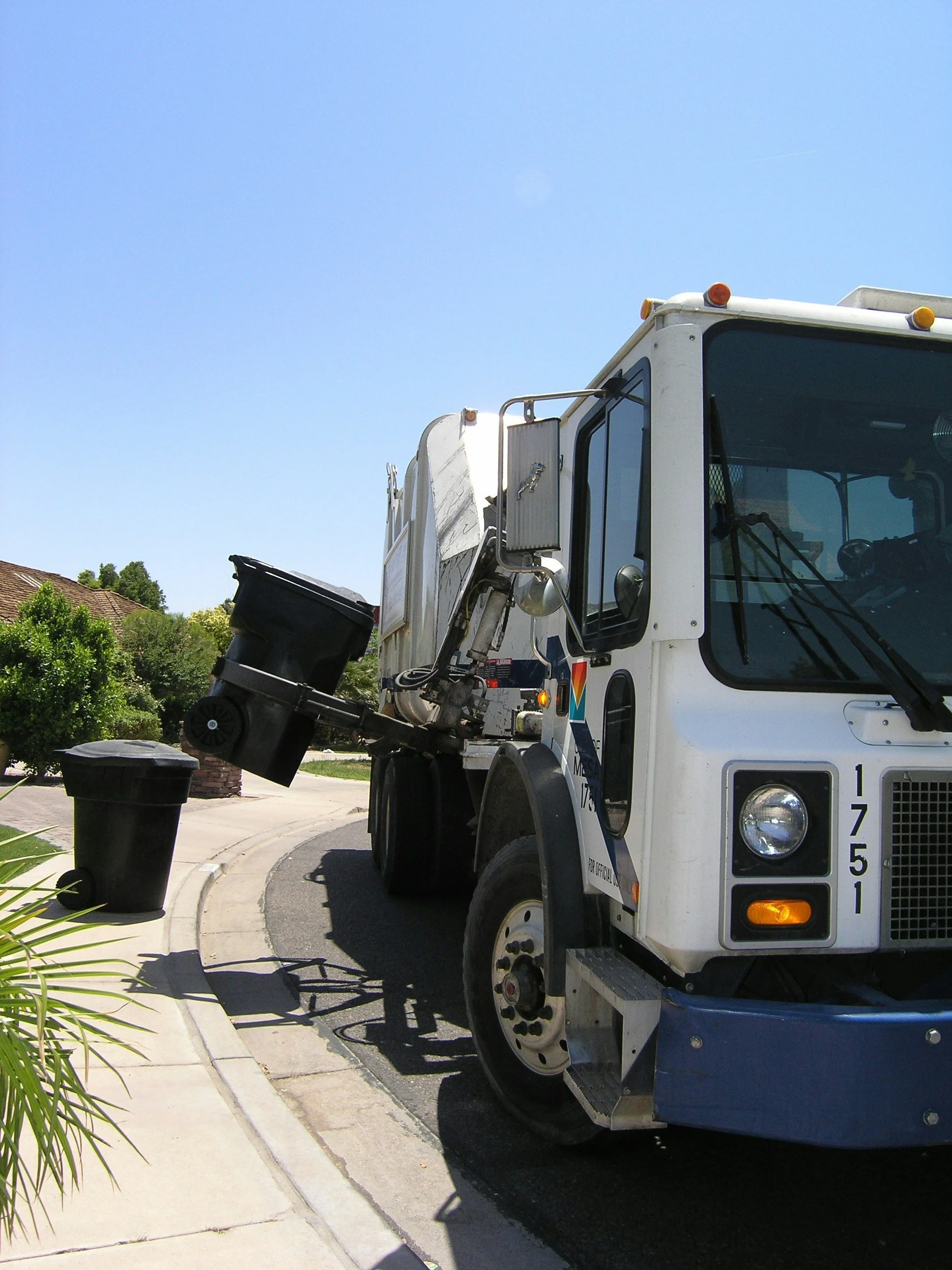
Examining Public Perceptions About Waste Management
QUALITATIVE METHODOLOGY
As the leading voice of the North American waste and recycling industry, a Washington, D.C.–based national association sought to better understand the public’s prevailing attitudes and concerns around waste management. -

Informing Responsible Market Expansion
QUALITATIVE METHODOLOGY
A FORTUNE 200 CPG company was exploring opportunities to expand into new industries. Before moving forward, it sought to understand stakeholder perceptions and expectations around this potential growth to ensure alignment with public sentiment and avoid reputational risk. -

Establishing Societal Expectations of Responsible Companies
MIXED-METHODOLOGY
As a FORTUNE 200 corporation considered its future and growth potential, it needed to understand society’s attitudes toward corporate responsibility and how those views shape societal expectations of the company to guide its corporate strategy and communications.